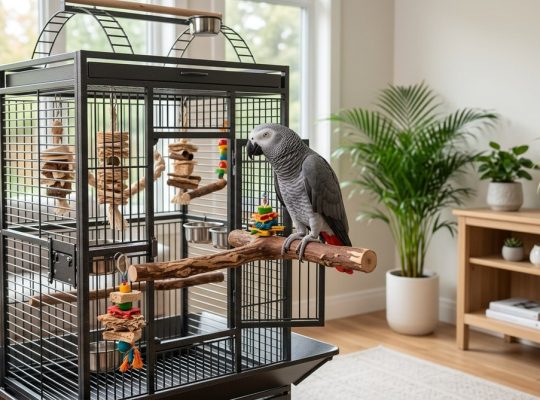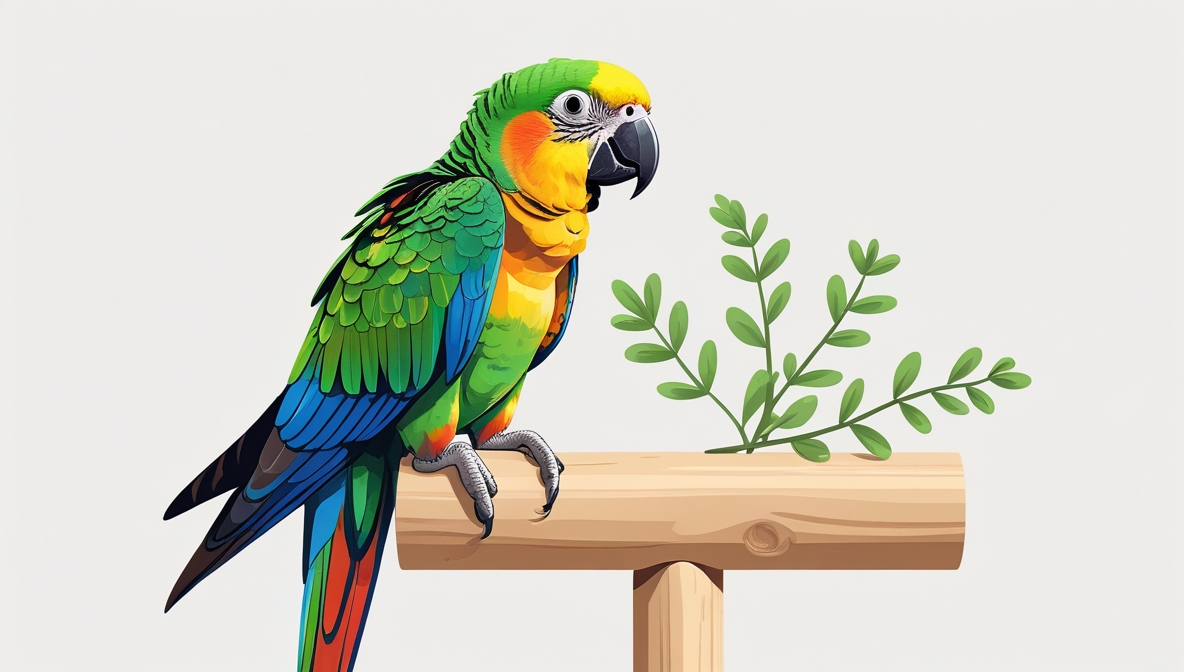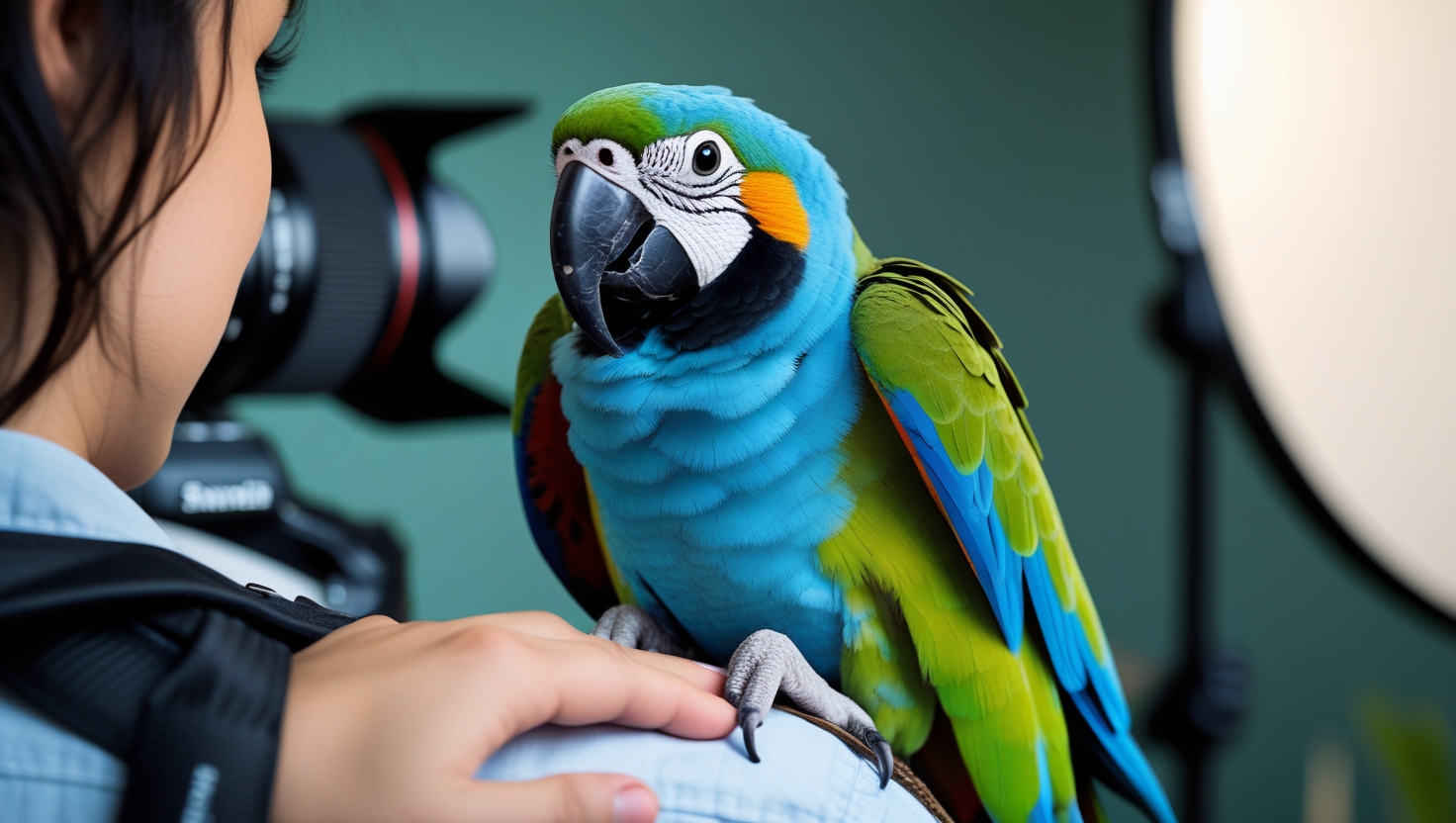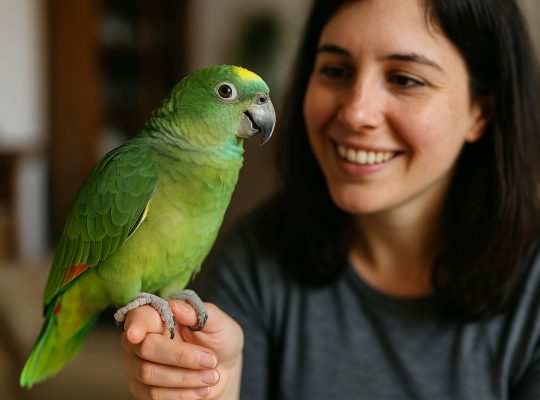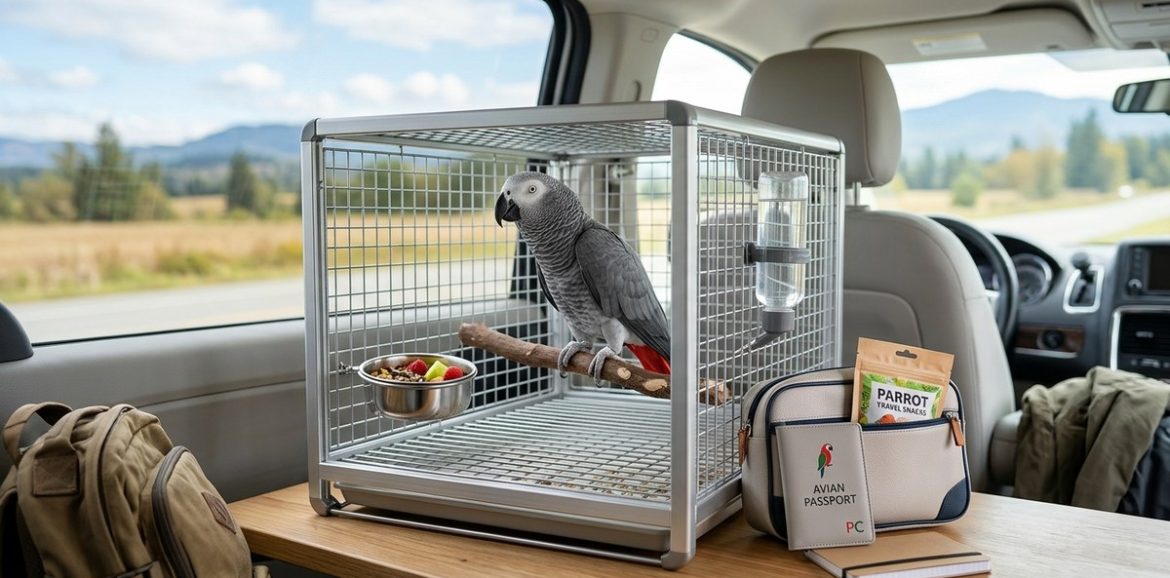
Traveling with a parrot can be a wonderfully rewarding experience when you plan ahead and prioritize safety. Whether you are visiting family, attending a avian expo, or relocating to a new city, your parrot’s comfort and well being should guide every decision. At ParrotsCanada.org we aim to make travel safer and less stressful for you and your feathered companion. This guide covers car and plane travel, choosing the right crate, acclimating your parrot to journeys, handling health concerns, and practical tips you can use on the road or in the air. With thoughtful preparation, traveling with your parrot can be a smooth adventure rather than a stressful ordeal.
Planning Ahead and Getting Ready
Travel begins long before you load the car or head to the airport. The best trips start with careful planning and clear expectations about what your parrot can handle. Use these steps to build a travel plan that reduces stress and protects health.
- Schedule a veterinary check up well in advance. A bird health clean bill of health is essential, especially if you are crossing borders or visiting busy travel hubs. Ask your veterinarian for a travel readiness certificate if available in your region.
- Confirm all documentation. Many airlines require health certificates, vaccination records, and sometimes import/export permits for international travel. Check the destination country’s requirements at least eight weeks before departure to avoid last minute problems.
- Understand your airline or carrier policies. Not all airlines permit birds in cabin and some require birds to travel as checked baggage or in the cargo hold. Each airline has specific crate dimensions, ventilation requirements, and booking procedures.
- Assess your parrot’s temperament. Some parrots tolerate travel better than others. If your bird is highly stressed by noise, new environments, or changes in routine, you may need to modify plans or choose a less stressful travel option.
Choosing the Right Carrier and Cage
Your parrot’s safety during travel hinges on the right carrier. A well chosen crate reduces stress and protects your bird from injury.
What to look for in a travel carrier
- Sturdy, escape-proof construction with secure latches.
- Adequate ventilation on all sides to ensure fresh air circulation.
- A comfortable interior that fits your bird without restricting movement.
- A reservoir or perch area that can hold water or a small dish when allowed by the transport mode.
- A perch that is easy to clean and does not present a sharp edge.
- A safe, non-slip base or pad to prevent sliding during movement.
Perches, food, and enrichment
- Place one natural wood perch to encourage foot health, plus a secondary perch for variety.
- Bring a small distraction item such as safe chew toys, but avoid loose parts that could be chewed and ingested.
- For longer journeys, consider a small dish for water and a collapsible dish for food, with fresh items installed just before departure.
When and how to train your parrot to travel
- Start with short, pleasant trips around the neighborhood to help your bird associate travel with positive experiences.
- Use consistent routines: same carrier, same feeding schedule, and gentle handling during loading.
- Reward calm behavior with treats and verbal praise to reinforce positive associations with travel.
Car Travel with Parrots
Car trips can be manageable and less stressful for many parrots compared to air travel. The key is to control environment, noise, and temperature while keeping the bird safely contained.
- Always secure the carrier in the back seat or a safe area away from window drafts and direct sunlight.
- Keep the car at a comfortable temperature and avoid rapid temperature changes.
- Never leave a parrot unattended in a car, even for a short moment; heat and cold can be dangerous quickly.
- Maintain a quiet, steady environment. Covering part of the carrier with a breathable towel can calm many birds, but ensure the bird can still breathe easily and view the surroundings if needed.
- Plan frequent breaks for hydration and short stretch time if your route is long.
- Do not use a harness inside a moving vehicle. Harness use is mainly for outdoor supervised walking and is not a substitute for proper containment.
Suggested checklist for a car journey
1) Carrier or crate with secure latches
2) Perches and enrichment items
3) Fresh water in a spill-proof dish
4) Small, bird-safe snacks
5) A familiar item from home (toy or cloth)
6) Paper towels and cleaning supplies for messes
7) Contact information for local avian vets at destination
8) A spare set of cage accessories in a separate bag
Air Travel with Parrots
Air travel is often where travel stress peaks. Airlines differ widely on whether parrots can travel in cabin, as checked baggage, or in cargo. Always verify current policies and prepare accordingly.
Before you fly
- Book early and confirm travel class options for birds. In-cabin travel is the preferred option for many travelers because it minimizes stress and exposure.
- Confirm crate requirements. Airlines usually require a hard sided crate or a sturdy plastic carrier that locks securely.
- Prepare a travel kit. Include water, a collapsible feeder, a travel size towel, a familiar toy, and a small amount of dry food to reduce appetite changes.
- Fly during mild weather windows if possible. Extreme weather can affect bird safety during layovers or on the tarmac.
Crate setup for flight
- The crate should allow the bird to stand, turn around, and lie down with ease.
- Line the bottom with a non slip pad and avoid loose materials that can cause choking hazards.
- Do not attach toys that could fall out or shift during turbulence; keep essentials secure.
- Label the crate clearly with your contact information and a description of the bird.
Security and airline procedures
- Security may want to inspect the crate; cooperate calmly and briefly explain that the bird is a pet and not a threat.
- Some countries require health certificates or export permits. Ensure all documents are ready and organized.
- Upon arrival, retrieve the bird quickly and move to a quiet, secure area before leaving the terminal.
Special considerations for international flights
- Check CITES and other export import regulations. Some species may require captive-bred status or specific permits.
- Plan for quarantine if required by the destination country.
- Keep a plan B in case the airline changes policies or your route becomes unavailable.
Acclimating Your Parrot to Travel
Acclimation reduces stress and helps prevent fear responses while on the road or in the air.
- Start with short, calm trips and gradually increase duration.
- Maintain a consistent feeding routine during travel days to avoid hunger-related irritability.
- Use calming cues your parrot is familiar with, such as a soothing voice and gentle handling when loading and unloading the carrier.
- Practice handling and loading with positive reinforcement. A few minutes a day can build confidence over time.
- If your parrot shows persistent distress, consider consulting a bird behaviorist or your veterinarian for tailored strategies.
Stress Management and Comfort on the Go
Birds are sensitive to changes in routine, noise, and unfamiliar surroundings. A proactive approach reduces the risk of stress related issues like feather picking, heavy panting, or changes in droppings.
- Maintain a predictable schedule where possible, including feeding times, rest periods, and quiet time.
- Create a familiar sensory environment by bringing a favorite blanket or toy that carries your scent.
- Keep conversations soft and calm during travel; loud voices or sudden movements can startle a bird.
- Provide fresh water and monitor hydration; dehydration can exacerbate stress and health issues.
- Use natural anxiety reduction techniques appropriate for birds, such as enrichment and gentle, gradual exposure to new spaces.
Traveling with Rescue Parrots and Ethical Considerations
Rescue parrots often have complex histories and may be more prone to travel stress. Here are practical tips tailored for rescues and adoptees.
- Introduce travel gradually and prioritize their comfort over speed.
- Secure extra time for acclimation in a new environment; the destination may be a new place, sounds, smells, or people.
- Be mindful of any medical needs or medications that require careful handling during travel.
- Work with rescue organizations or ethical breeders who emphasize welfare and proper socialization.
- Keep a record of the bird’s background and any health concerns to share with your new caregivers at the destination.
Lodging and On the Road Safety
A comfortable resting space at your destination makes a huge difference for a traveling parrot.
- Choose bird friendly accommodations with minimal pet restrictions and a calm environment.
- Bring a portable stand or a secure perch at the lodging to give your parrot a consistent place to rest.
- Avoid exposure to strong odors from cleaning products, smoke, or aerosol sprays.
- Ensure windows and doors have secure screens or barriers to prevent accidental escapes.
- On arrival, provide gradual re acclimation around the new space and reestablish routines quickly.
Practical Packing List
A well thought out packing list helps prevent last minute stress.
- Travel carrier or crate that meets transport rules
- Fresh water supply and collapsible food cups
- Favorite chew toys and safe enrichment items
- A familiar cloth or blanket and your bird’s scent item
- A spare set of perches and safe cage accessories
- Vet contact information and health certificate copies
- A small first aid kit for birds, approved by your veterinarian
- A travel journal to track droppings, appetite, and behavior during travel
Health and Safety Essentials
Your parrot’s health should never be compromised for convenience.
- Hydration is crucial; dehydration can occur quickly in a travel setting. Offer water regularly.
- Watch for heat or cold stress. Parrots are sensitive to extreme temperatures.
- Have your vet’s contact information easily accessible in case of emergencies during travel.
- If your parrot has a chronic condition or needs daily medications, create a packing plan that ensures you do not miss a dose.
What to Do When Things Go Wrong
Even with careful planning, travel hiccups can happen. Here are quick fixes you can rely on.
- If the bird becomes overly stressed, pause travel, provide a quiet space, and reassess.
- If you notice unusual droppings, lethargy, or unusual breathing, contact your veterinarian immediately and consider postponing travel.
- If you lose a crate or crate components, replace with a safe, approved alternative and avoid continuing travel until the bird is secure.
After Travel: Re acclimation and Homecoming
Returning home can be a relief for you and your parrot. Re establishing a routine helps the bird settle back in.
- Settle into a familiar routine as soon as possible after arrival.
- Reintroduce preferred foods and toys at their usual times.
- Offer a quiet environment with minimal disturbance to help your parrot unwind after travel.
- Monitor for changes in behavior or appetite in the days following travel.
Common Travel Mistakes to Avoid
- Underestimating the importance of proper crate size and ventilation
- Skipping required health documentation or permits
- Overlooking the bird’s need for consistent routine and rest
- Neglecting stress management strategies for long trips
- Forgetting to carry contact information for local avian vets at the destination
Quick Reference: Travel Scenarios
- Short car trip to a family gathering: Use in car carrier with familiar items, keep windows closed, provide brief breaks, and maintain consistent meal times.
- Domestic flight with cabin travel: Confirm in cabin policy, arrive early, bring a calm, familiar container, and keep the bird’s environment stable.
- International move: Research destination regulations, obtain necessary permits, schedule ample time for quarantine if required, and prepare for longer acclimation at the new home.
Community Resources and Learning More
ParrotsCanada.org is a hub for parrot owners and enthusiasts. In addition to travel guidance, you can explore:
- Adoption resources and ethical breeding guidelines
- Species profiles to tailor travel plans to your parrot’s needs
- Socializing and training tips to support calmer travel experiences
- Health issue prevention and quick response plans for emergencies
If traveling with a parrot feels overwhelming, you are not alone. Our community understands the importance of safety and comfort for our feathered friends and can offer tailored guidance for your species, your destination, and your travel mode.
Final Thoughts
Traveling with a parrot is a journey that rewards preparation and patience. By choosing the right crate, understanding airline policies, and gradually acclimating your bird to travel, you can reduce stress and create positive experiences on the road or in the sky. Always prioritize your parrot’s health, safety, and comfort, and seek professional guidance when needed. With thoughtful planning and continued learning from trusted sources like ParrotsCanada.org, traveling with your parrot can become an enriching bonding experience rather than a daunting challenge.