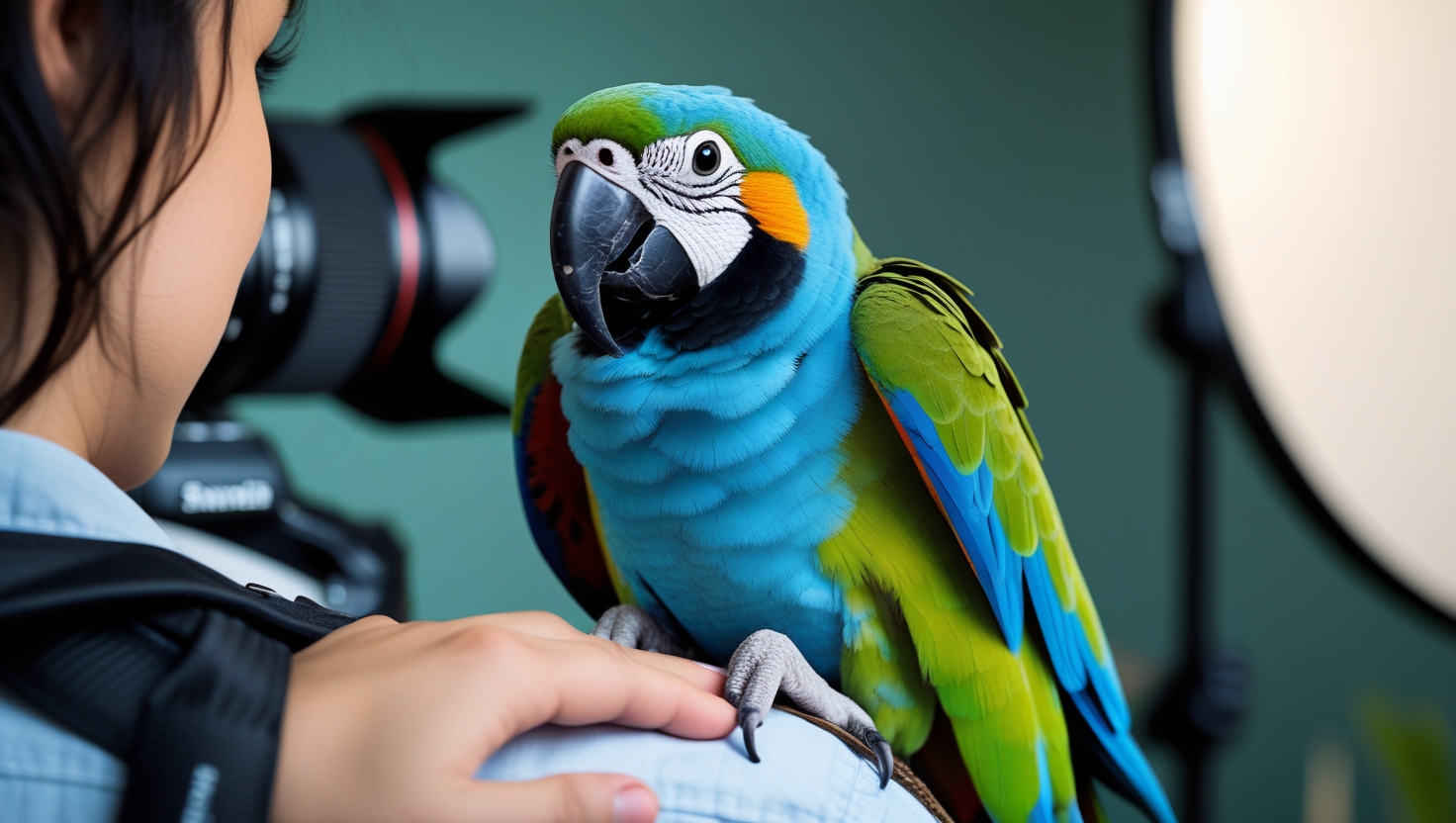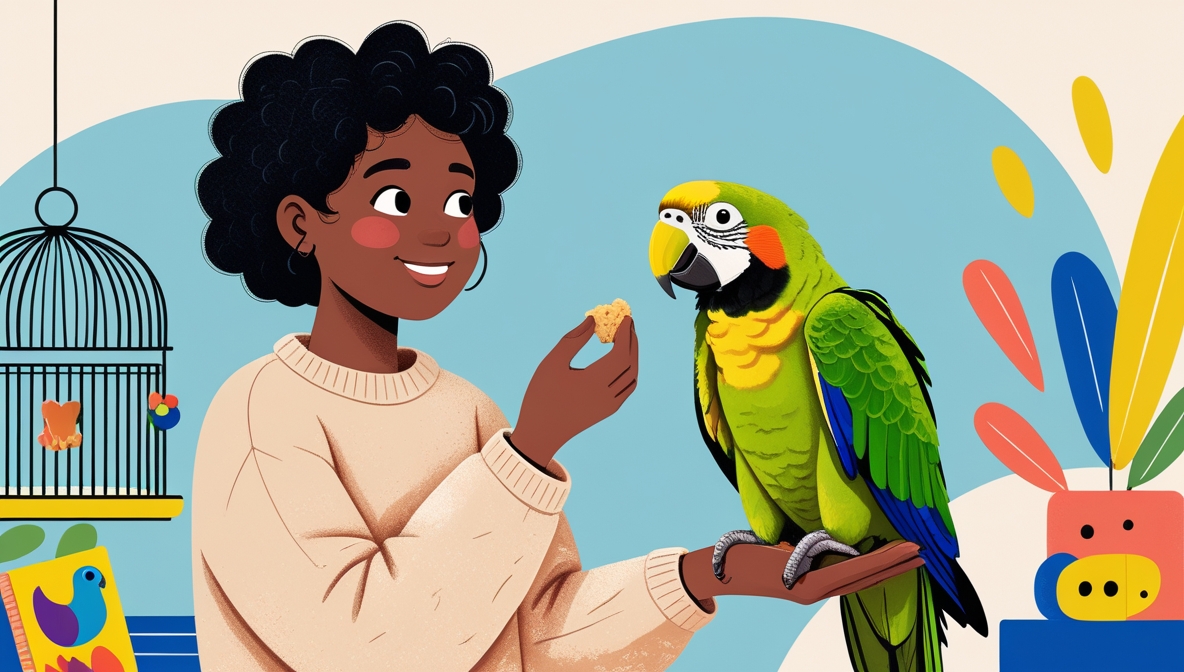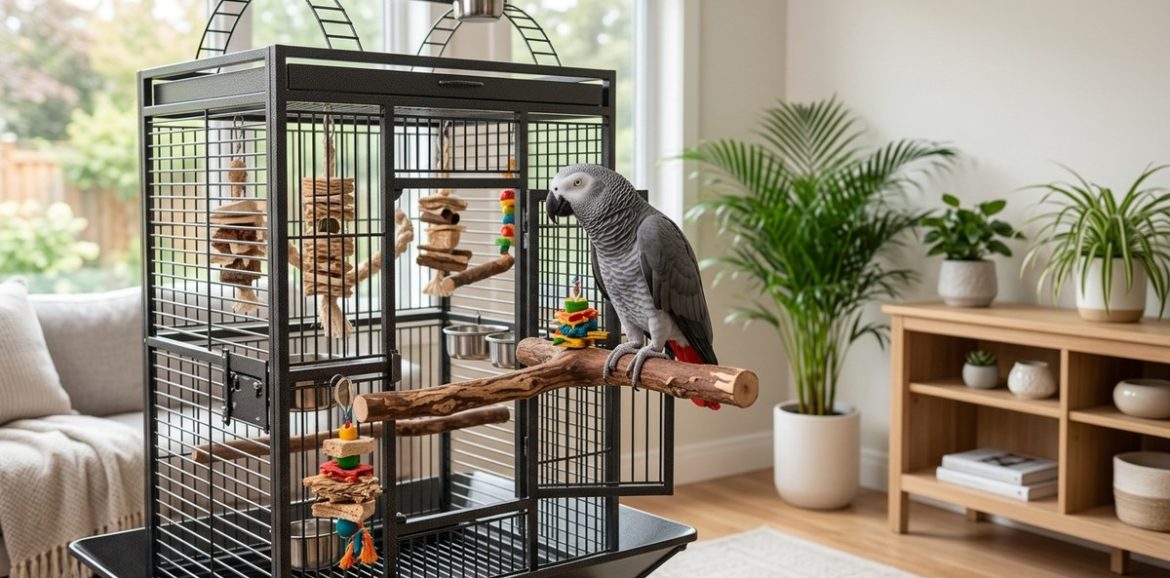
Bringing a parrot into your home is an exciting step, but it also comes with real responsibilities. Parrots are intelligent, curious, and often thrive in environments that feel like a playground. The catch is that their safety depends on thoughtful setup and ongoing attention. At ParrotsCanada.org, we believe every parrot owner can build a safe home that supports enrichment, health, and peaceful interaction with all family members. In this guide, you’ll find practical, room by room advice, cage setup essentials, lists of hazards to avoid, and training strategies that help you and your feathered friend thrive together.
Why a Safe Home Matters for Parrots
Parrots live differently from many other pets. They explore with their beaks, chew on a wide range of materials, and love to fly and climb. A home that is not designed with parrot safety in mind can lead to injuries, exposure to toxins, or stress that undermines bonding and well being. A safe home also reduces the risk of respiratory irritation from dusty environments or aerosols, and it helps prevent accidents such as bird escapes or entanglements.
Creating a safe home for a parrot is not a one time task. It is an ongoing process of:
- Regularly inspecting toys, perches, and cage hardware for wear and tear
- Monitoring household hazards as you rearrange rooms
- Teaching safe handling and boundaries for all household members
- Planning for rescue birds and adopting with an eye toward long term safety and health
In the sections below, you will find a practical framework you can apply to any parrot friendly home.
Assess Your Space: Bird Proof Room by Room
Bird proofing is most effective when you break the space into zones and address the hazards that are common in each area. Here is a room by room approach with focal points you can implement today.
Kitchen Safety
- Keep nonstick cookware away from heat. When teflon or similar coatings are heated, fumes can irritate a bird’s airways. Use stainless steel or cast iron, and never heat empty pots with teflon coated surfaces.
- Store pantry foods properly. Many foods are safe in moderation for humans but can be dangerous for birds. Keep chocolate, caffeine, onions, garlic, alcohol, avocado, and salt away from reach.
- Be mindful of small tools and cords. Keep electrical cords behind appliances and use secured storage for sharp gadgets.
- Clean up thoroughly. Wipe up spills quickly and ensure there are no crumbs left on counters or floors that might tempt a curious beak.
Living Areas and Cables
- Cable management is a must. Birds love cords and can chew through insulation which creates shock and fire hazards. Use cord covers, cable sleeves, or cord clips to bundle and conceal loose wires.
- Avoid aerosol cleaners in living spaces. Opt for fragrance free, bird safe cleaners or make a simple DIY solution of water and a small amount of unscented mild soap.
- Choose safe toys and perches near where you spend time. Enrichment that doubles as a deterrent to chewing on cables helps you blend safety with stimulation.
Bathrooms and Humidity
- Keep the bathroom dry and well ventilated. Excess moisture can support mold growth while the steam can irritate a bird’s respiratory tract.
- Store medications and cleaning products out of reach. Birds are very good at discovering small containers and ingesting harmful substances.
Bedrooms and Lighting
- Think about temperature and drafts. Sudden changes in temperature or cold drafts can be stressful for birds, especially smaller species.
- Provide a consistent light cycle. A stable day night rhythm supports circadian health, and avoid direct sun through windows on hot days which can lead to overheating.
Other Key Areas
- Laundry and utility rooms, garages, and basements often contain detergents, solvents, and pesticides. Ensure these spaces are off limits or securely closed.
- Outdoor access should be supervised. If you have a balcony or yard, ensure it is bird proofed so your parrot cannot slip out or encounter aggressive wildlife.
Cage Setup and Environment: The Core of Daily Safety
A parrot’s home begins with its cage. A well configured cage is a combination of space, safety, and enrichment. The goal is to allow safe time inside the cage and safe out of cage play that stimulates mental and physical health.
Cage Size, Bar Spacing, and Material
- Choose a cage that is big enough to allow a full stretch and wingspan. Bigger is typically better for parrots that enjoy climbing and flying short distances.
- Bar spacing should fit your parrot species. If bars are too wide, heads or feet can get stuck; if bars are too close, perches and toys may not fit freely.
- Pick safe materials. Powder coated or stainless steel cages tend to be durable and easier to clean. Avoid cages with rough surfaces or paints that may wear off into droppings.
Placement in Your Home
- Place the cage in a social area where the bird can observe family life but avoid direct hazards. Pick a spot with indirect natural light, away from drafts, kitchens, or bathrooms, and at a height that allows you to easily supervise.
- Rotate perches and toys. A variety of perches made from natural woods of different diameters and materials reduces foot problems and keeps play interesting.
- Use protective accessories. A spill tray or washable mat under the cage makes cleanup easier.
Perches, Toys, and Enrichment
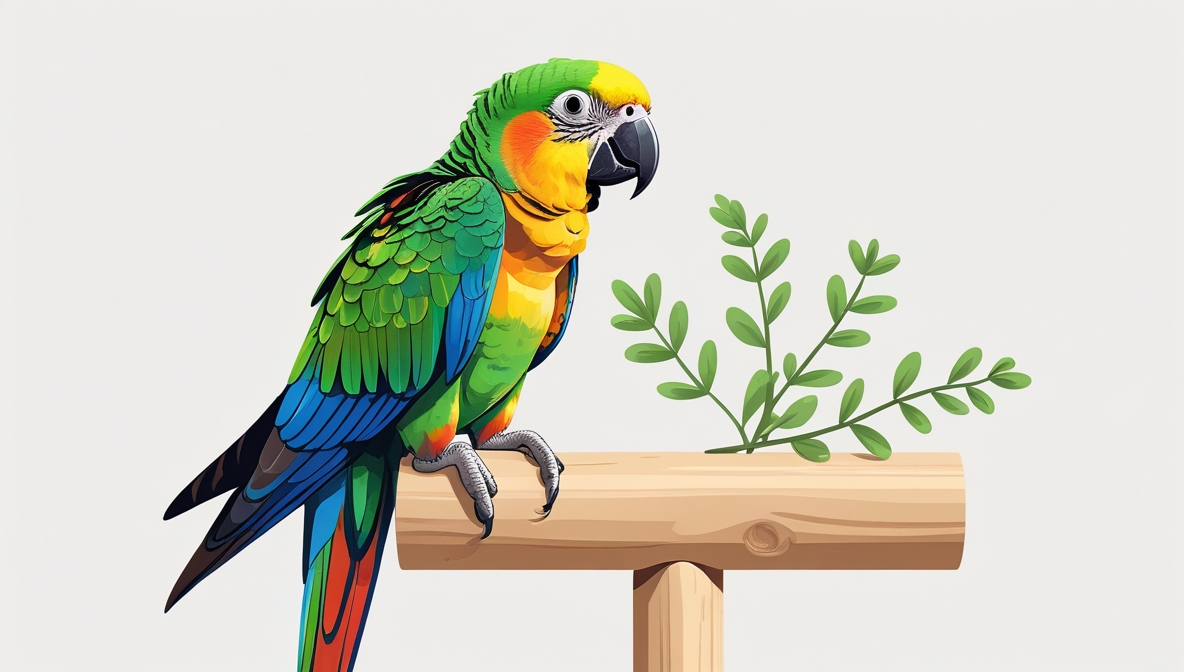
- Perches should vary in texture and diameter. Natural wood perches are great but ensure they do not splinter or have sharp edges.
- Provide enrichment that addresses cognitive needs. Foraging toys, puzzle feeders, and safe chew toys help reduce boredom and undesirable behaviors.
- Rotate toys every 1 to 2 weeks to maintain interest and prevent boredom.
Feeding Stations and Water
- Separate food and water from perches to encourage cleanliness. A water dish should be easy to reach and cleaned daily; consider a bottle or heavy bowl that resists tipping.
- Offer a mix of fresh fruits and vegetables, high quality pellet diets, and a small amount of seed mix if appropriate for your species. Always remove uneaten fresh foods after a few hours to avoid spoilage.
- Wash bowls daily. Sanitation reduces bacterial growth and keeps meals appealing.
Lighting and Temperature
- Provide natural light exposure in a safe manner. If direct sun is too intense, provide filtered light or place the cage near a bright window but not in a direct blast of sun.
- Maintain a comfortable range of temperatures. Most parrots do well in room temperatures between 65 and 80 degrees Fahrenheit, but check species specific needs and avoid heating vents or direct radiator heat.
Hazardous Substances and Objects to Avoid
A large portion of parrot safety comes from avoiding hazardous materials and objects around the home. Here is a practical reference to keep on hand as you decorate or clean.
Toxic Substances and Materials
- Avoid nonstick coatings and overheated cookware. As noted earlier, this is a major respiratory risk.
- Do not use aerosols near birds. Fragrances, sprays, and cleaners with strong fumes can irritate or injure a parrot’s lungs.
- Keep pesticides and chemical cleaners away from the bird area. If you need to treat the home for pests or mold, do so when your parrot is out of the home and thoroughly ventilated after.
Foods and Plants
- Avoid toxic foods and seeds. Avocado, chocolate, caffeine, alcohol, onions, garlic, high salt foods, and the pits or seeds of certain fruits can be dangerous.
- Know plant safety. Many common houseplants can be toxic to birds. Examples include pothos, philodendron, dieffenbachia, sago palm, and some lilies. If you are unsure whether a plant is safe, consult a trusted guide or bring a sample to your veterinarian.
Electrical and Structural Hazards
- Keep electrical outlets and extension cords out of reach. Use cord management tools to prevent chewing or entanglement.
- Limit access to small or sharp items. Items like scissors, batteries, and small hardware should be stored securely.
- Lock away heavy or dangerous items. Hammers, tools with sharp tips, and heavy objects should be stored where a curious beak cannot reach them.
Home Improvement Materials
- Be cautious with paints, stains, and solvents. Many solvents can release fumes that irritate birds even after painting has dried.
- Avoid plywood or particleboard that emits volatile organic compounds. If you must use them, ensure ventilation and consider sealed, bird-safe finishes.
Water Hazards
- Never leave a pet unattended around open toilets or bodies of water. Birds can drown or slip into awkward positions in water bowls.
- Be mindful of water temperature. Extremely hot water is dangerous and can cause burns.
Temperature and Smoke
- Avoid exposure to smoke and incense. Parrots have very sensitive respiratory systems and can be affected by cigarette smoke or incense smoke.
- Avoid candles near the bird space for the same reason. If you must burn a candle, ensure robust ventilation and keep it out of reach.
Birds with Kids and Other Pets
- Supervise children around birds and teach gentle handling. Birds are easily frightened and may lash out if mishandled.
- Be cautious with other pets. Dogs and cats may be curious and could injure a parrot. Create safe zones and gradual introductions.
Health, Safety, and Emergency Preparedness
Preparedness is the backbone of a safe home. A small investment in a first aid kit and an emergency plan pays off in peace of mind.
First Aid Kit Essentials
- Disposable gloves, antiseptic wipes, and a gentle saline solution for basic eye or mouth care
- Mild non-lather shampoo to help with minor feather or skin irritation (only if advised by your vet)
- Bird nail clippers, gauze, and first aid tape for minor injuries
- A digital thermometer and a simple, non-invasive method to check for fever
- A list of emergency contacts including your avian veterinarian and nearest veterinary hospital
Emergency Plan and Drills
- Have a written emergency plan covering common scenarios: sudden illness, cage entrapment, or a fire. Practice with family members so everyone knows what to do.
- Maintain a pocket or bag with essential items for quick evacuation if needed. Include a water bottle, a small bag of food, and basic toys.
Travel Safety
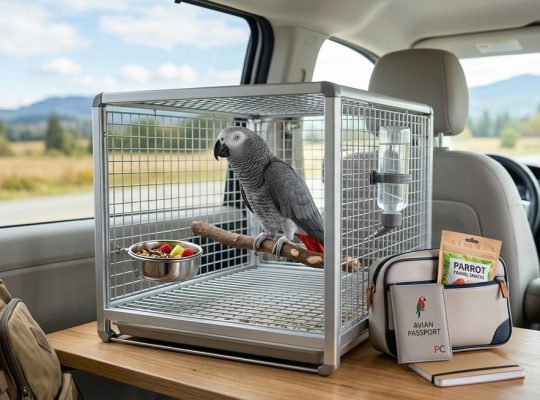
- Use a proper travel cage or carrier. Secure your parrot with appropriate harnesses or carriers designed for birds.
- Keep a familiar toy or blanket for comfort during travel. Familiar scents reduce stress.
- Plan ahead for layovers or delays. Bring enough food and water to last the journey and consider portable travel bowls.
Training and Socialization for a Safe Home
Training is not just about manners; it builds a safer relationship and reduces the risk of accidents in daily life.
Safe Handling and Step by Step Training
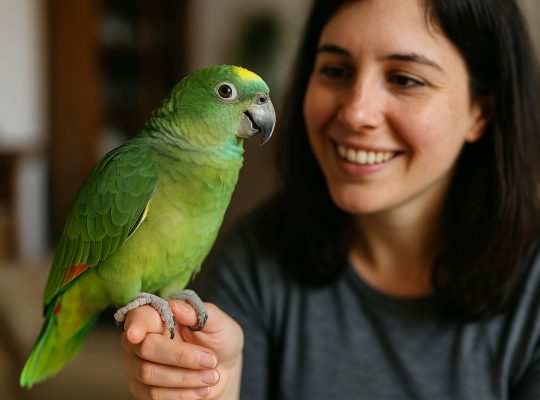
- Start with simple “step up” and “step down” commands. Train in short sessions of 5 to 10 minutes daily to maintain engagement.
- Teach safe alcove and perching etiquette. Place rewards to encourage staying on a designated perch or on your hand rather than wandering into dangerous areas.
- Use positive reinforcement. Reward desirable behaviors with treats, praise, or play rather than punishment.
Introducing New Toys and Spaces
- Introduce new toys slowly. Shape the introduction with short sessions, and observe for stress or aggressive reactions.
- Supervise new environments. When you add a new room or enclosure, watch for chewing or misbehavior and redirect safely to appropriate toys or perches.
- Rotate and adapt. Keep the routine dynamic but predictable, so your parrot learns what to expect without becoming bored or anxious.
Socializing with Kids and Other Pets
- Teach kids gentle handling and why certain areas are off limits. Create a child parrot safety plan and signpost rules in your home.
- Manage pet introductions slowly. If you have other pets, set up controlled interactions in stages and monitor body language closely.
- Always supervise interactions. Birds can be startled by quick movements or loud noises, which can lead to bites or flapping injuries.
Preparing for Rescue Parrots and Sourcing Ethically
Parrots Canada emphasizes ethical care and responsible sourcing. If you are preparing for a rescue or choosing a new companion, these steps help ensure a safe, healthy transition.
Preparing Your Home for Rescues
- Create a dedicated space that can be easily cleaned and sanitized. A rescue parrot might arrive with unknown medical or behavioral needs, so be ready to adapt quickly.
- Consult with a veterinarian before introducing a rescue. A vet visit ensures you understand any chronic conditions, nutritional needs, or medication requirements from day one.
- Plan enrichment that meets the bird’s history. Rescue parrots may have trauma or fear responses; stepwise enrichment and patience help rebuild trust.
Ethical Sourcing and Adoption
- Favor adoption or rescue groups when possible. There are many parrots in need of loving homes, and adoption aligns with compassionate care principles.
- If seeking a breeder, choose someone with ethical practices and transparent health records. Ask about socialization, breeding ethics, and post adoption support.
- Understand the long term commitment. Parrots can live for decades and require ongoing care, enrichment, and medical support.
Quick Checklist: Do This Before Bringing Your Parrot Home
- Do a full room by room safety audit and address at least the top three hazards in each zone.
- Inspect all cages, perches, and toys for wear and replace anything frayed or unstable.
- Set up a dedicated feeding area away from potential hazards and ensure clean water daily.
- Establish a consistent daily routine with predictable feeding times, sleep, and play sessions.
- Create an emergency plan and assemble a basic bird first aid kit.
- Prepare for rescue or adoption by having a quiet space ready and ensuring you have time to acclimate slowly.
- Build an education plan for kids and other pets to promote safe interactions.
- Stock bird-safe cleaning supplies and store hazardous substances securely.
- Schedule a vet visit with an avian specialist shortly after bringing your parrot home.
- Join the ParrotsCanada.org community for ongoing support and care ideas.
Practical Room by Room Action List
- This week target one room to bird proof and set up. Tomorrow pick a different room for a smaller update. Small, focused steps add up quickly.
- Create a simple maintenance schedule: monthly cage cleaning, weekly toy checks, seasonal plant and humidity reviews, and yearly veterinary checks.
Final Thoughts: Building a Safe, Enriching Home for Your Parrot
Safety should be woven into every decision at home. From the cage you choose to the plants and cleaners you allow in the space, every detail matters to a parrot’s health and happiness. The best homes are not just safe, they are places that invite curiosity, learning, and shared joy. With thoughtful planning, consistent routines, and a strong partnership with your veterinarian, your parrot can thrive as a cherished member of your family.
If you are exploring adoption, care, or training resources, ParrotsCanada.org is here to help. Our mission is to support parrot owners with practical guidance, compassionate care strategies, and a community that celebrates the bright, expressive world of parrots. Happy feathered adventures, and welcome to a safer, more enriching home for your parrot.